Probability Games That Encourage Creative Thinking
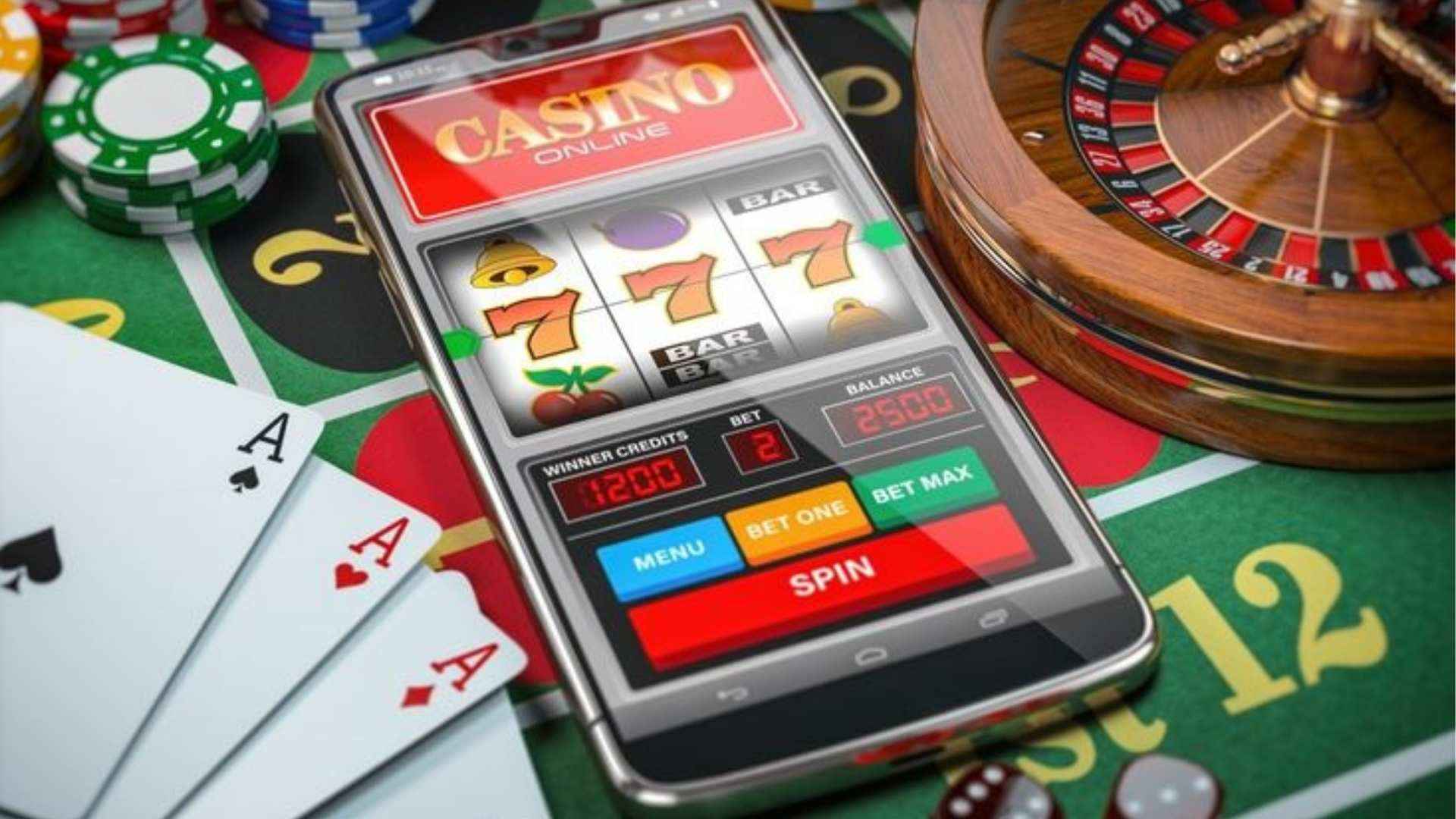
Many people view mathematics and creative expression as opposite fields that rarely interact in standard learning environments. However, tabletop and digital challenges built around unpredictable outcomes offer a unique bridge between logic and imagination. By forcing participants to adapt to shifting scenarios, these activities inspire innovative problem-solving and out-of-the-box thinking.
The Intersection of Chance and Imagination
Probability-focused activities require players to look past static solutions and imagine multiple future scenarios simultaneously. When outcomes are governed by variance, relying on memorized patterns becomes ineffective, forcing individuals to devise unique strategies. This continuous mental shift actively strengthens cognitive flexibility and nurtures creative problem-solving skills.
As participants evaluate risk, they are encouraged to take unconventional routes to achieve their goals. This experimental environment rewards curiosity and allows players to test diverse tactical approaches without fear of permanent failure. Consequently, the unpredictable nature of chance serves as a catalyst for deeper creative exploration.
How Unpredictability Sparks Innovation
Standard deterministic environments often lead to predictable behaviors and routine decision-making habits. In contrast, introducing elements of randomness compels players to invent rapid adjustments to unexpected tactical problems. This dynamic framework trains the mind to connect disparate ideas and find hidden possibilities amidst absolute uncertainty.
Many modern developers use these principles to establish highly interactive systems that keep global audiences intellectually engaged. Engaging with specialized platforms like M88 demonstrates how randomized systems can stimulate proactive planning and artistic thinking. Exploring these mathematical environments allows individuals to expand their adaptive capacities while refining their logic.
Designing Creative Classrooms with Probability
Educators are increasingly integrating probability challenges into their standard curricula to foster collaboration and original thought. Simple activities involving dice, customized card decks, or randomized digital tools transform abstract lessons into tangible, imaginative exercises. Students learn to negotiate variables together and build unique pathways toward shared objectives.
These interactive exercises also help reduce learning anxiety by shifting the focus from rigid answers to strategic exploration. When the journey through uncertainty is celebrated, learners feel empowered to propose bold ideas and experiment with novel designs. This open pedagogical style cultivates a long-term passion for structural analysis and creative expression.
Building Long-Term Cognitive Flexibility
Regularly participating in games governed by likelihood creates robust mental frameworks that apply directly to real-world innovation. Creative thinking relies heavily on the ability to reframe complex dilemmas and explore alternative hypotheses efficiently. Navigating statistical uncertainty provides a safe sandbox for mastering these critical professional capabilities.
Ultimately, blending mathematics with play proves that logical structures can expand rather than restrict the human imagination. By embracing the beauty of unpredictable events, players unlock new levels of cognitive agility and problem-solving ingenuity. The lessons learned on the game board pave the way for a more inventive approach to everyday decisions.